Exhibition · June 2026
B-Walls 2026: When the Gallery Becomes the Street
In 2026, B-Walls continued to explore the boundary between street art, graffiti, and exhibition art, but this time it went further. Instead of a conventional display, the organisers invited visitors to step inside an urban environment.
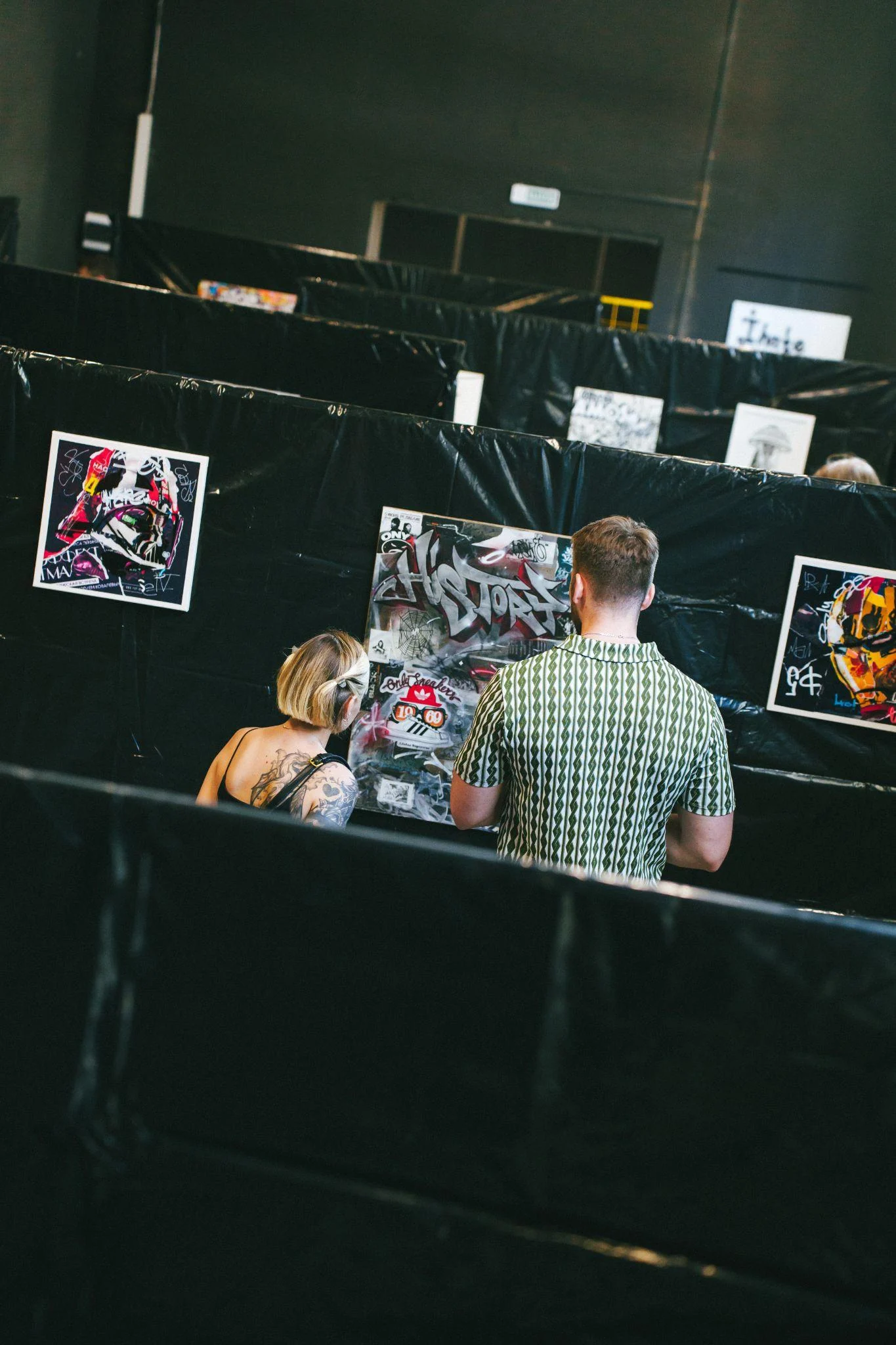
Here, visitors move through a space built on the principles of the street: graffiti, visual noise, different scales, layering, and structure.
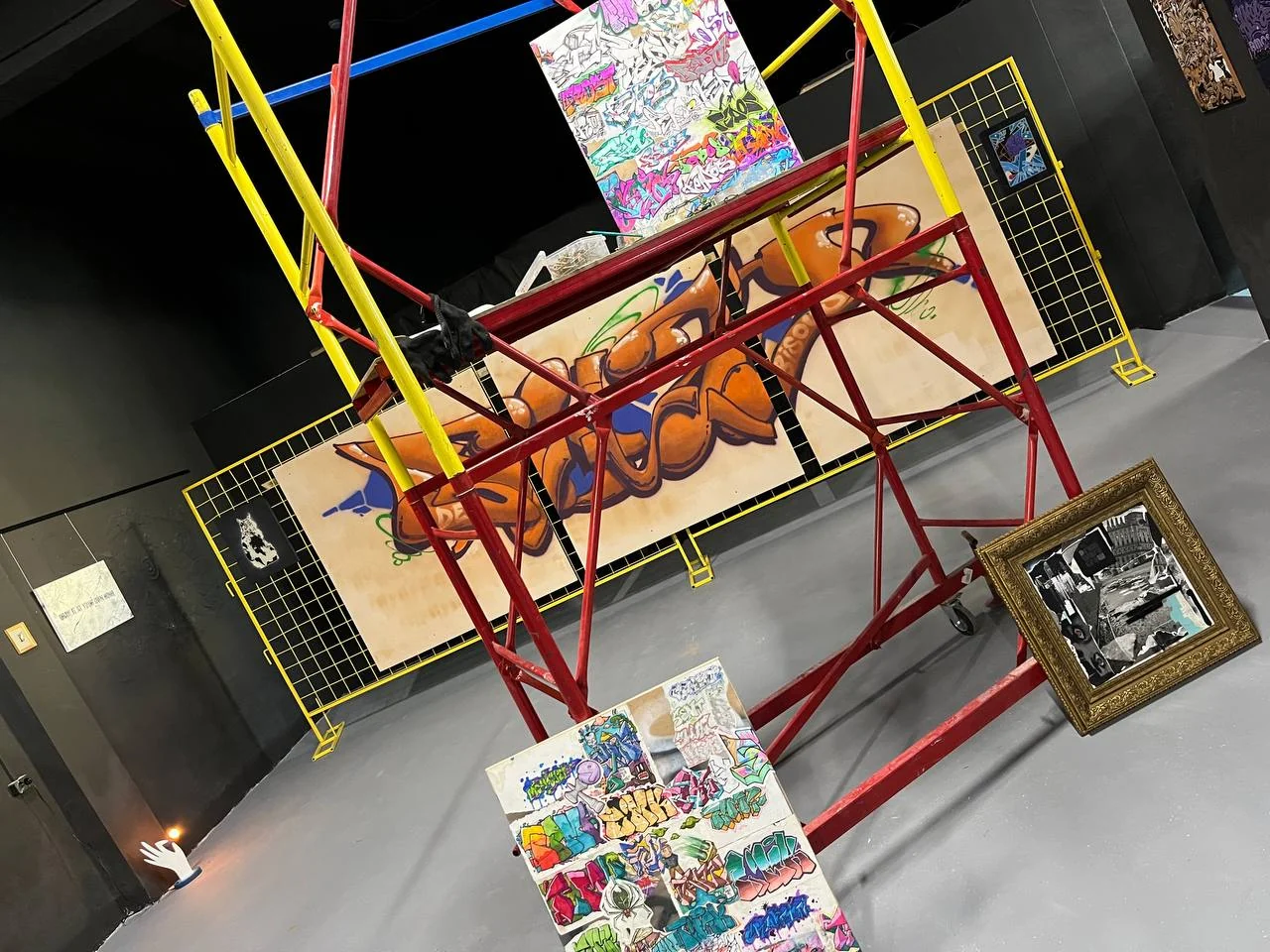
The Gallery = the Street
An ordinary art exhibition usually separates the works from the space around them. B-Walls 2026 works differently.
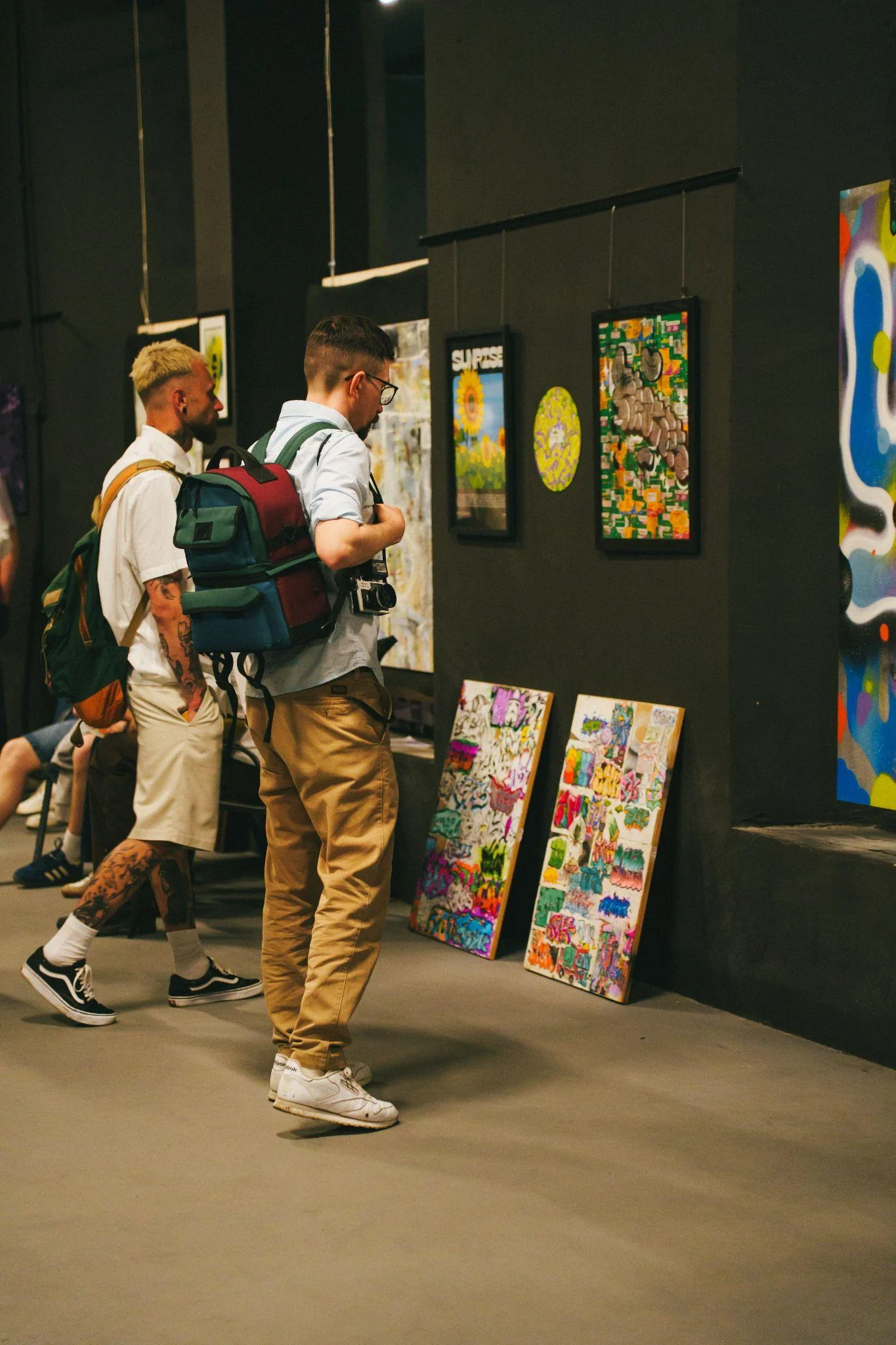
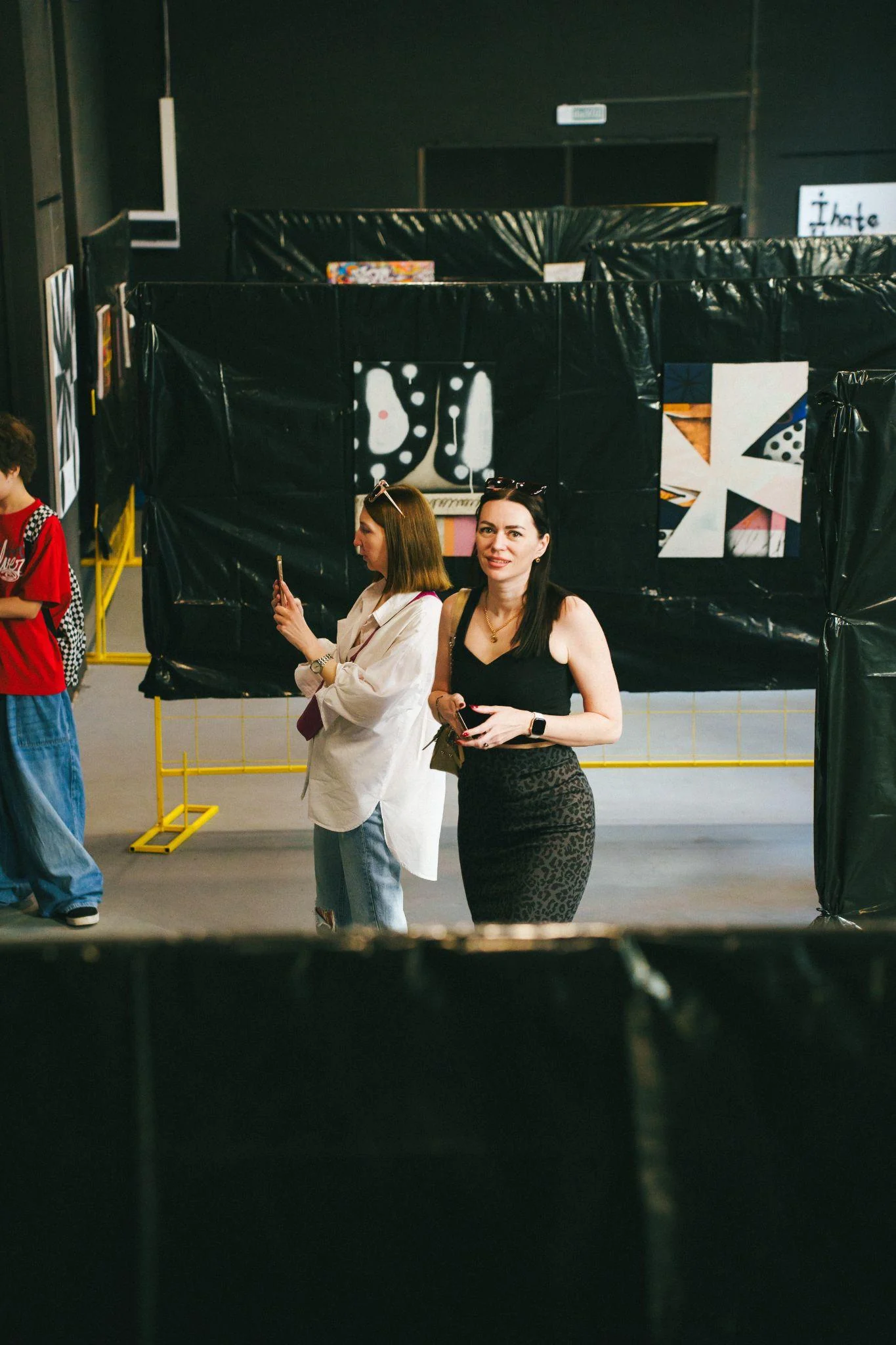
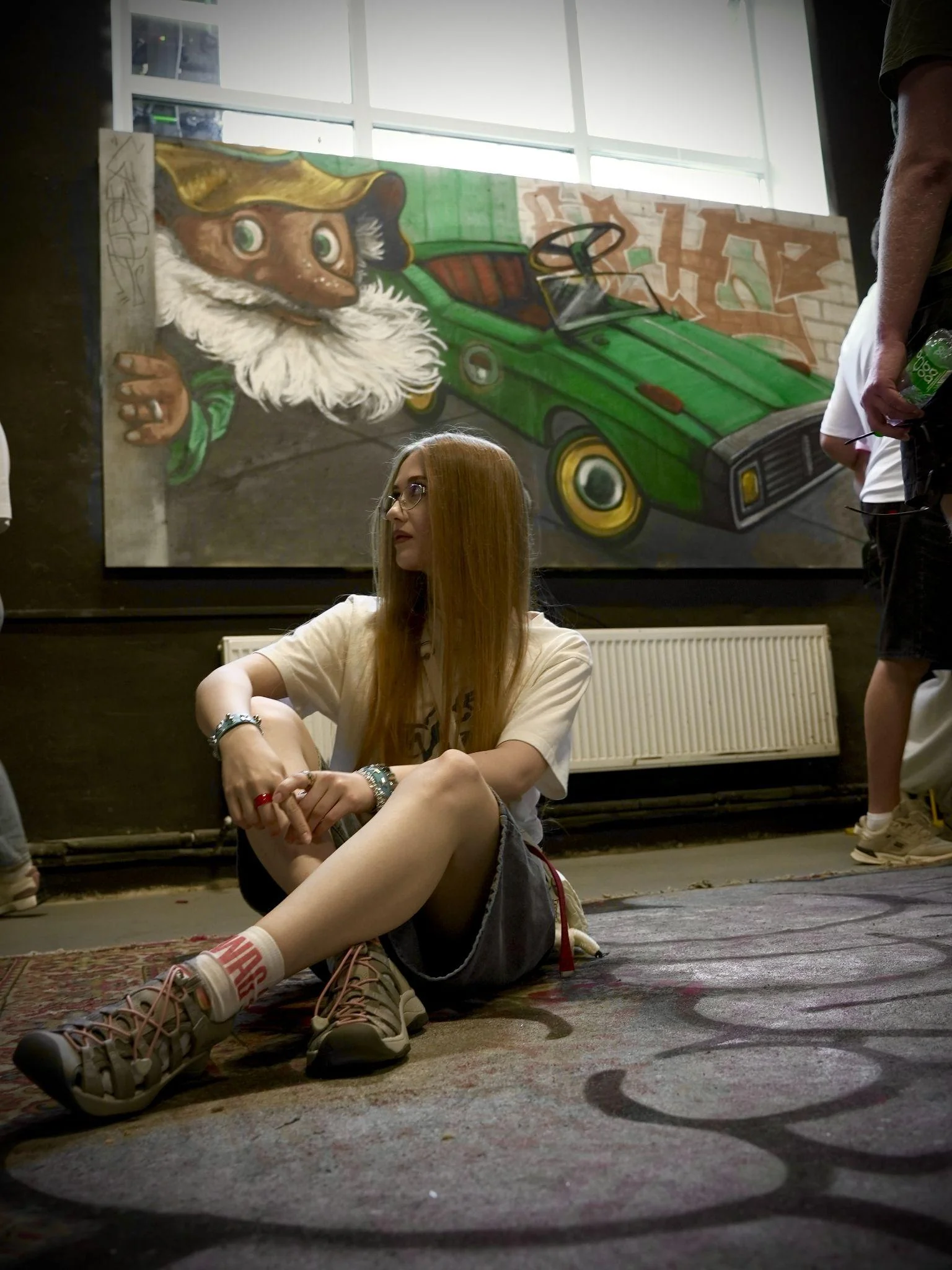
Walls, large objects, and installations become one artistic environment. Graffiti sits alongside canvases, installations alongside large-format works, and the floor becomes an additional surface for art.
This space is built around the aesthetics of urban culture and street culture — a culture in which art exists on walls, architecture, and objects at once, and can surround you everywhere.
Large-Scale Graffiti
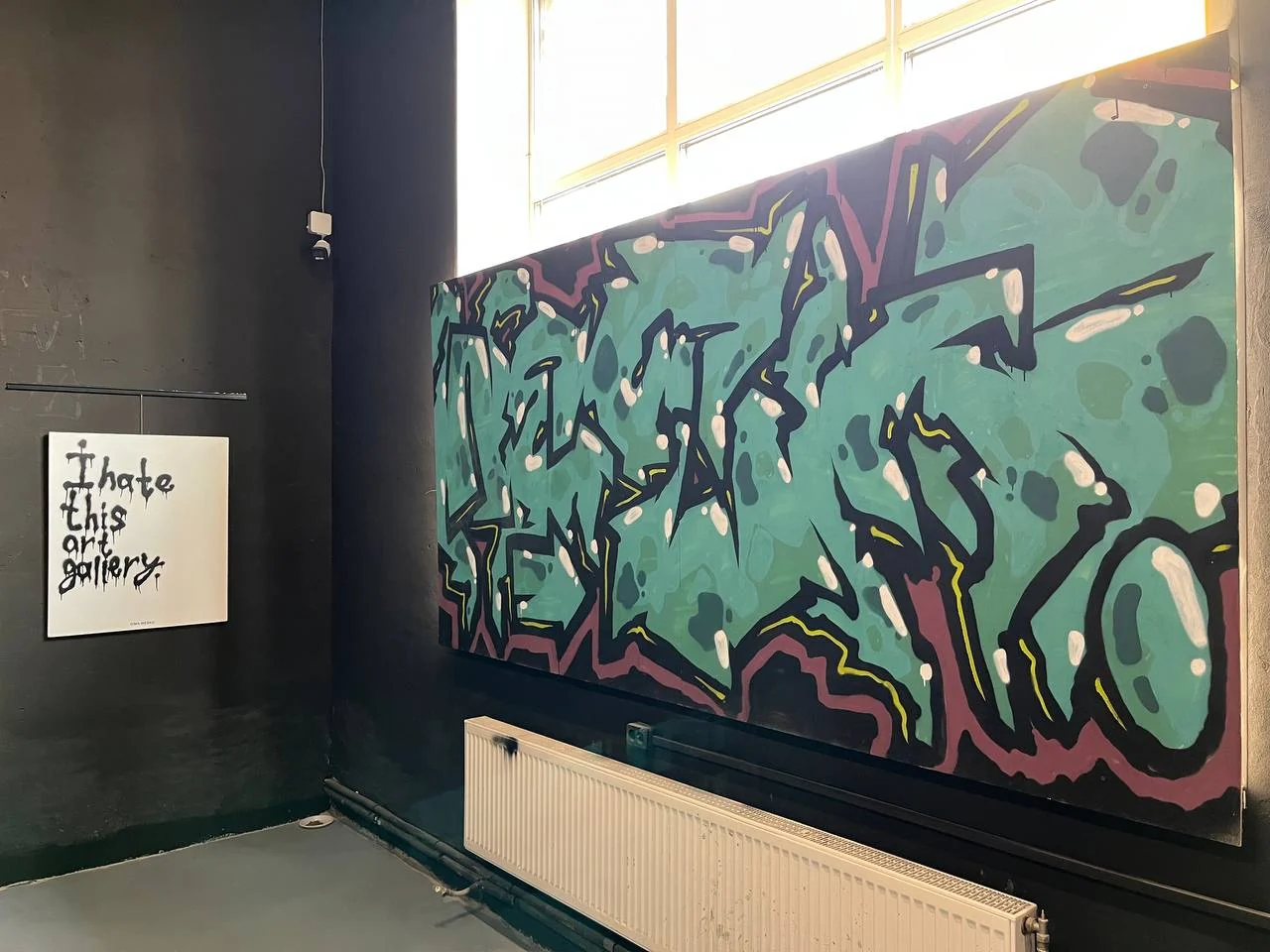
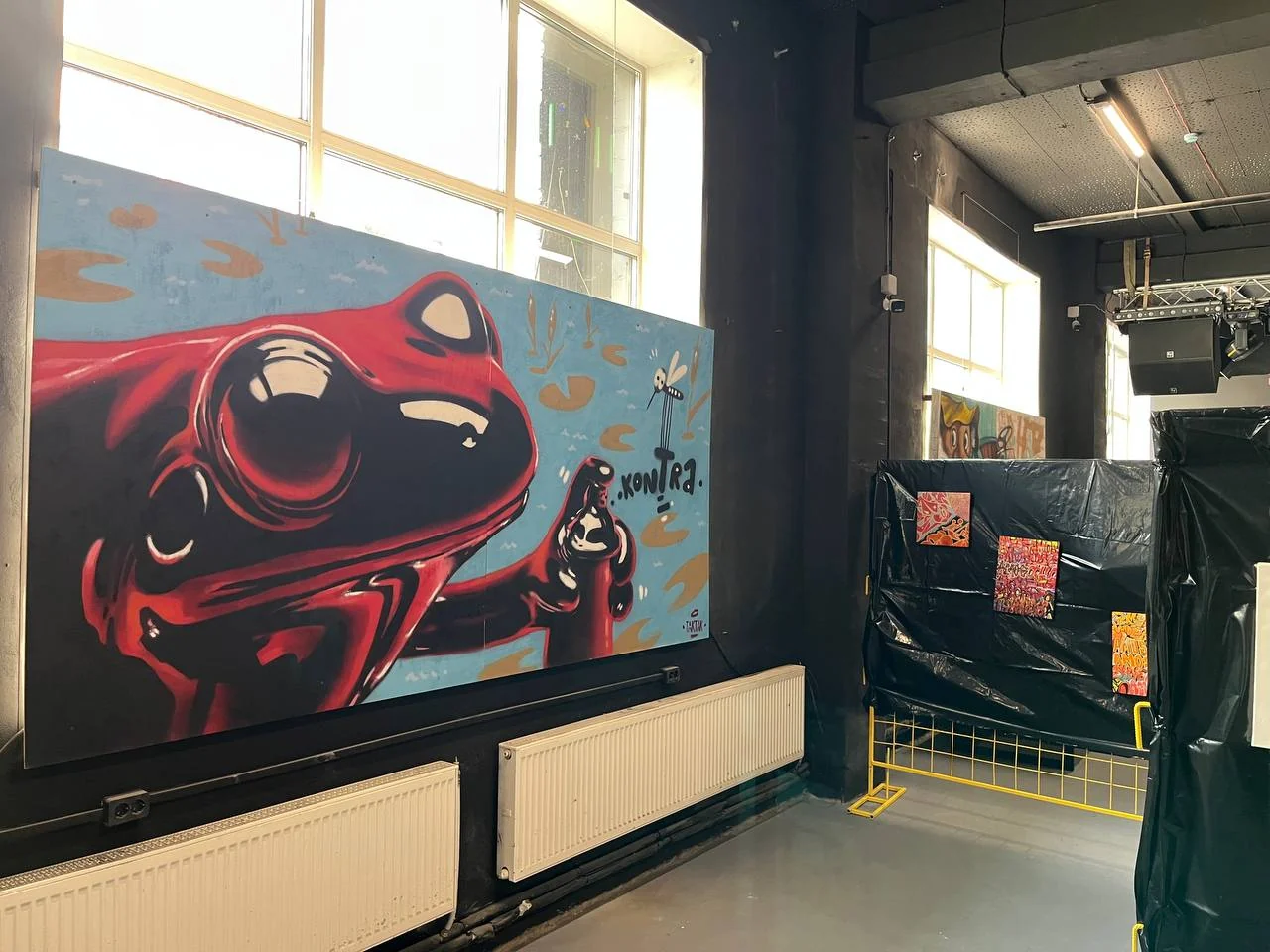
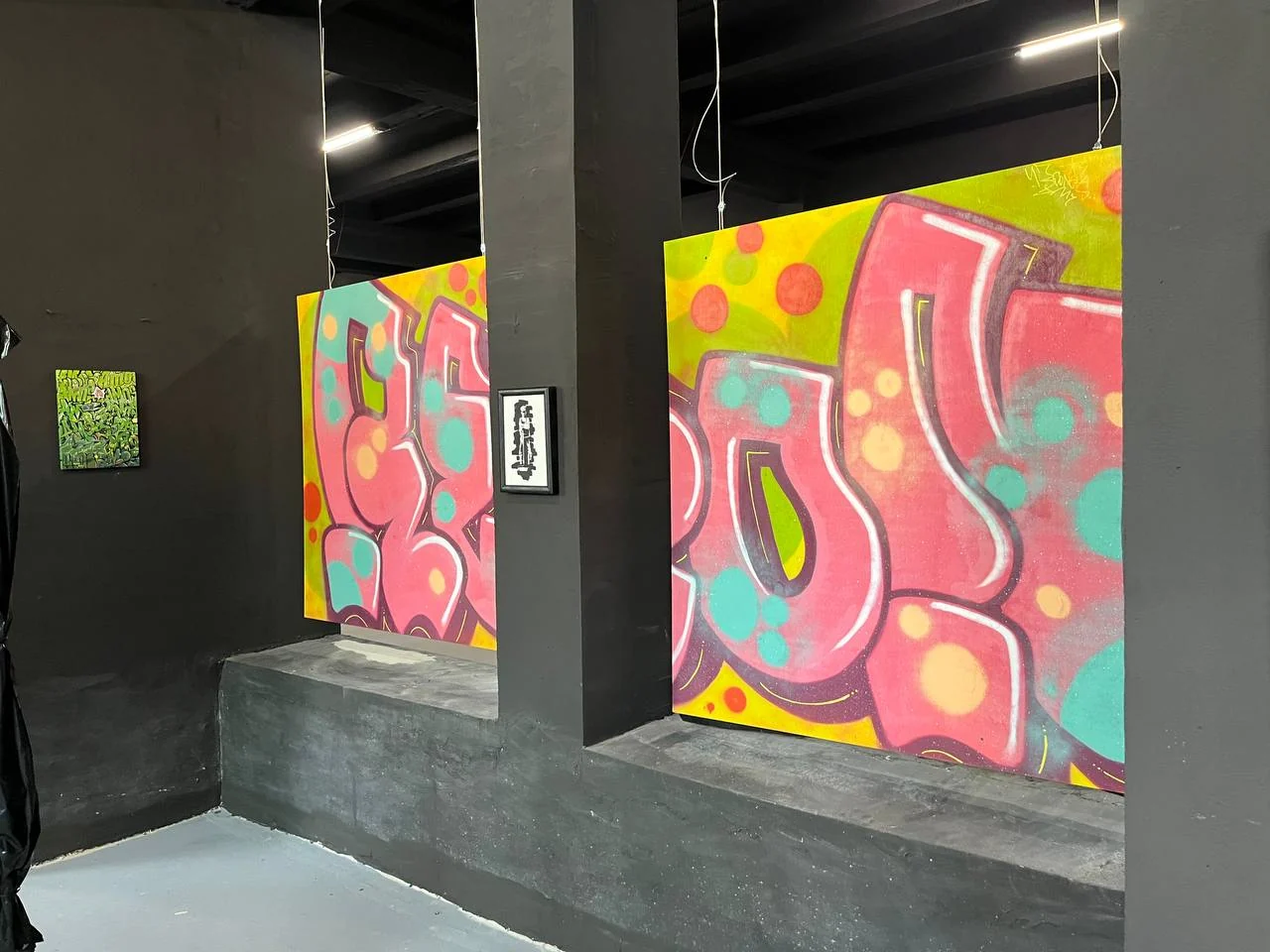
Large works by graffiti artists became one of the important parts of the exhibition.
Some works reach 1.5 × 3 metres. This scale is directly connected to the tradition of urban painting and preserves the physical sensation of a wall even inside an exhibition space.
Large scale also changes the viewer’s perception. You can stop in front of a small canvas and study its details. A large graffiti work demands engagement with almost your entire field of vision.
This is one of the principles of street art: a work does not exist in isolation, but interacts with people and the surrounding space.
From the Street to the Studio
A second important layer of B-Walls 2026 is studio work on canvas.
The exhibition presents artists from different cities in Belarus, so it extends beyond a single local Minsk scene.
Different approaches to graffiti, lettering, abstraction, calligraphy, and contemporary urban graphics meet here.
An artist moves their own visual language from a city wall into the studio, preserving street-art elements: work with form, letters, colour, symbols, and composition.
In this way, the exhibition shows two sides of contemporary street culture at once — its connection with the city and its development in the studio.
A Metro Train Inside the Gallery
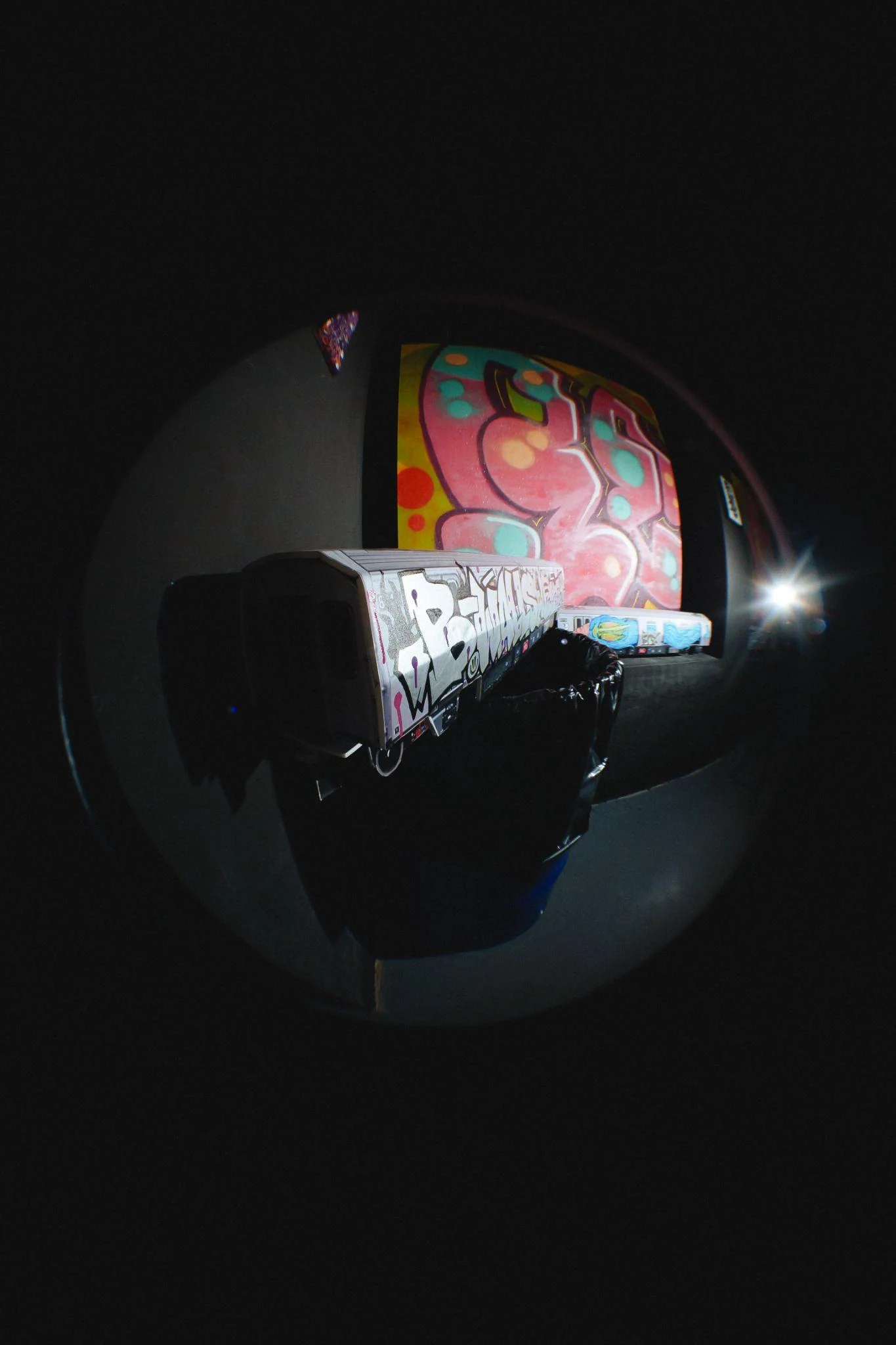
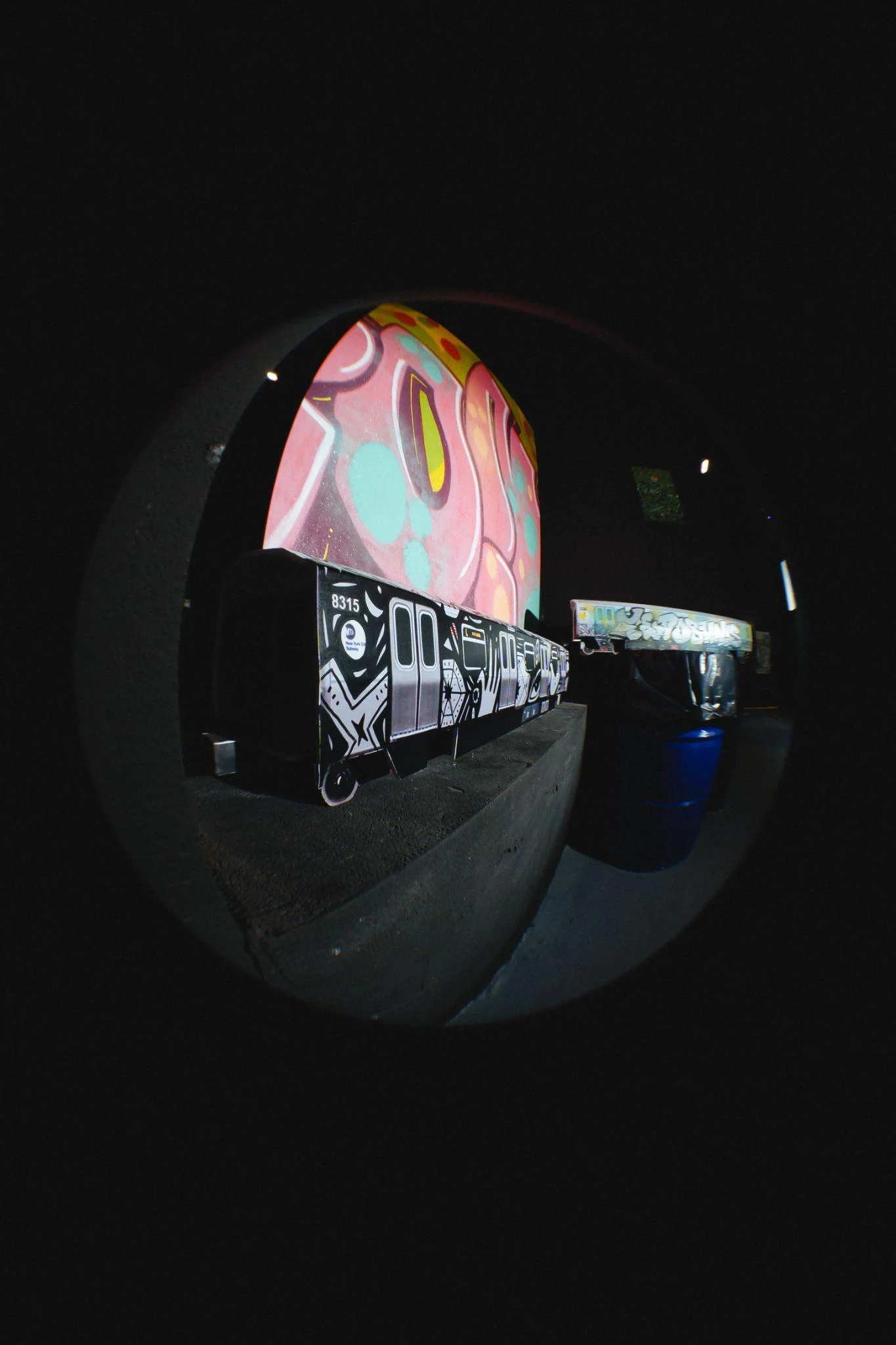
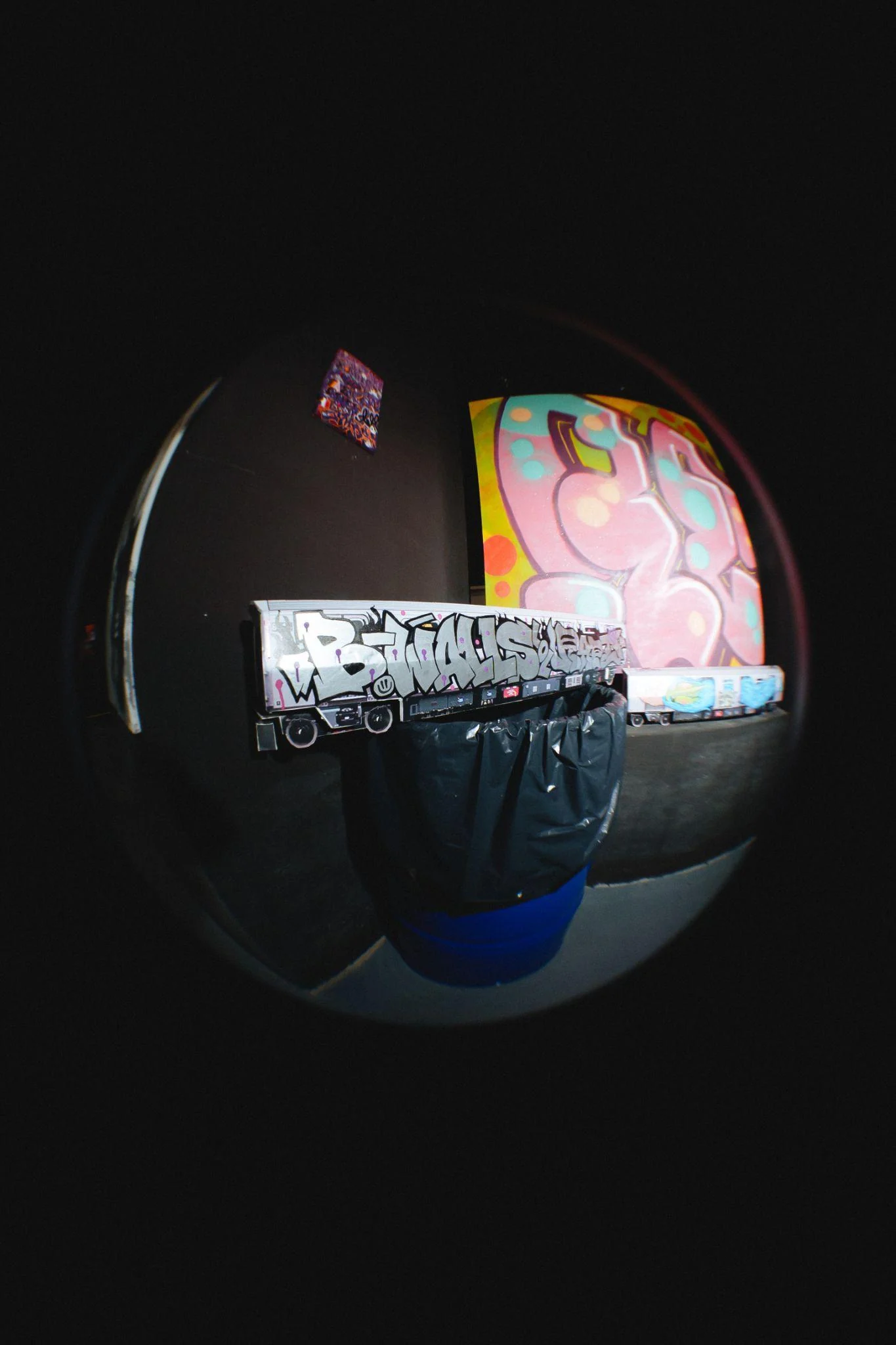
One object in the exhibition was the installation Metro Train.
The image of the metro fits especially naturally into the B-Walls concept. The underground is one of the most recognisable elements of the contemporary urban environment, and train cars have long been part of the history and visual culture of graffiti.
In the context of the exhibition, the metro turns from an ordinary element of urban infrastructure into an art object.
This is another way of literally bringing the street inside the gallery.
Art in 360 Degrees
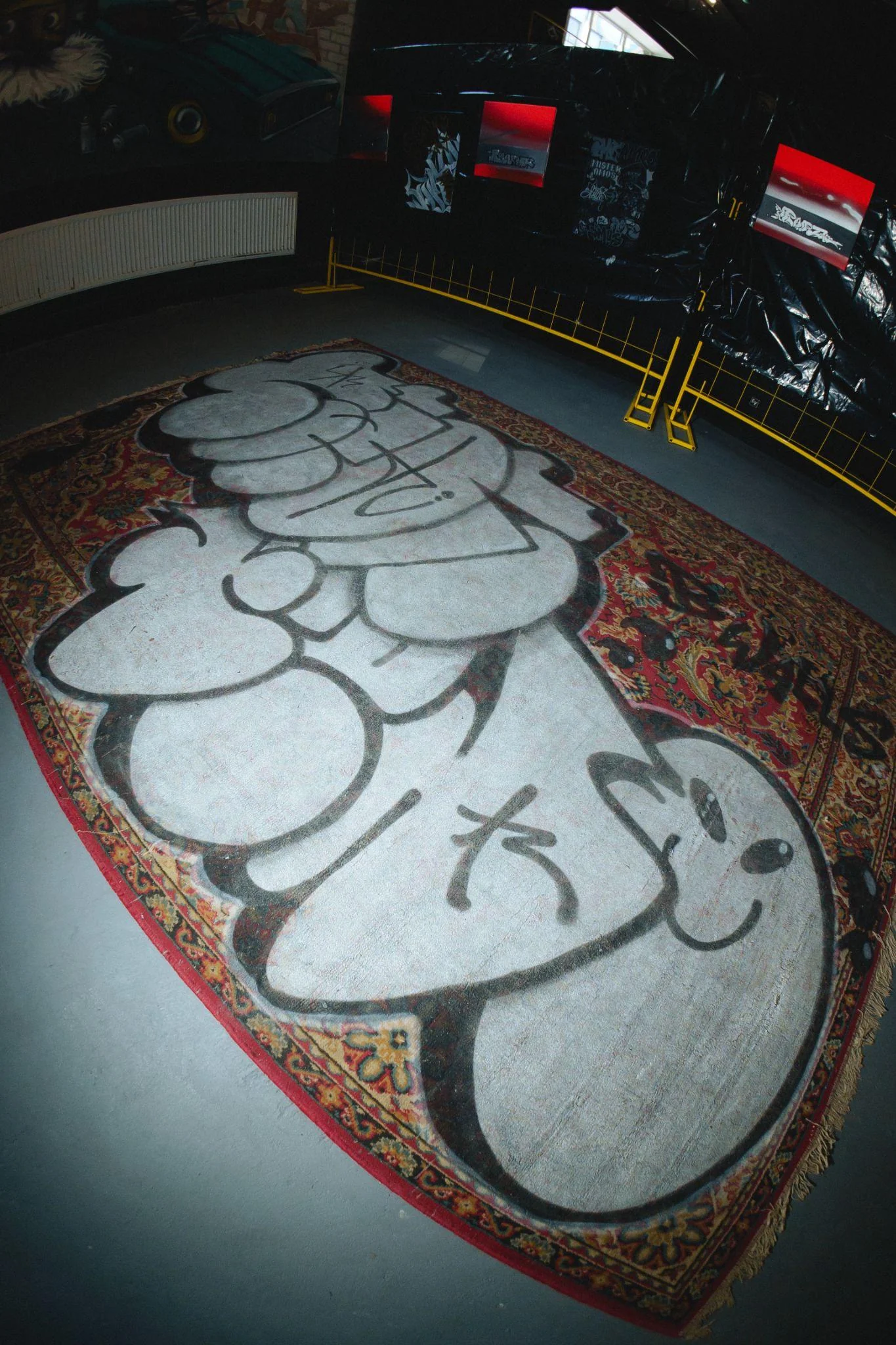
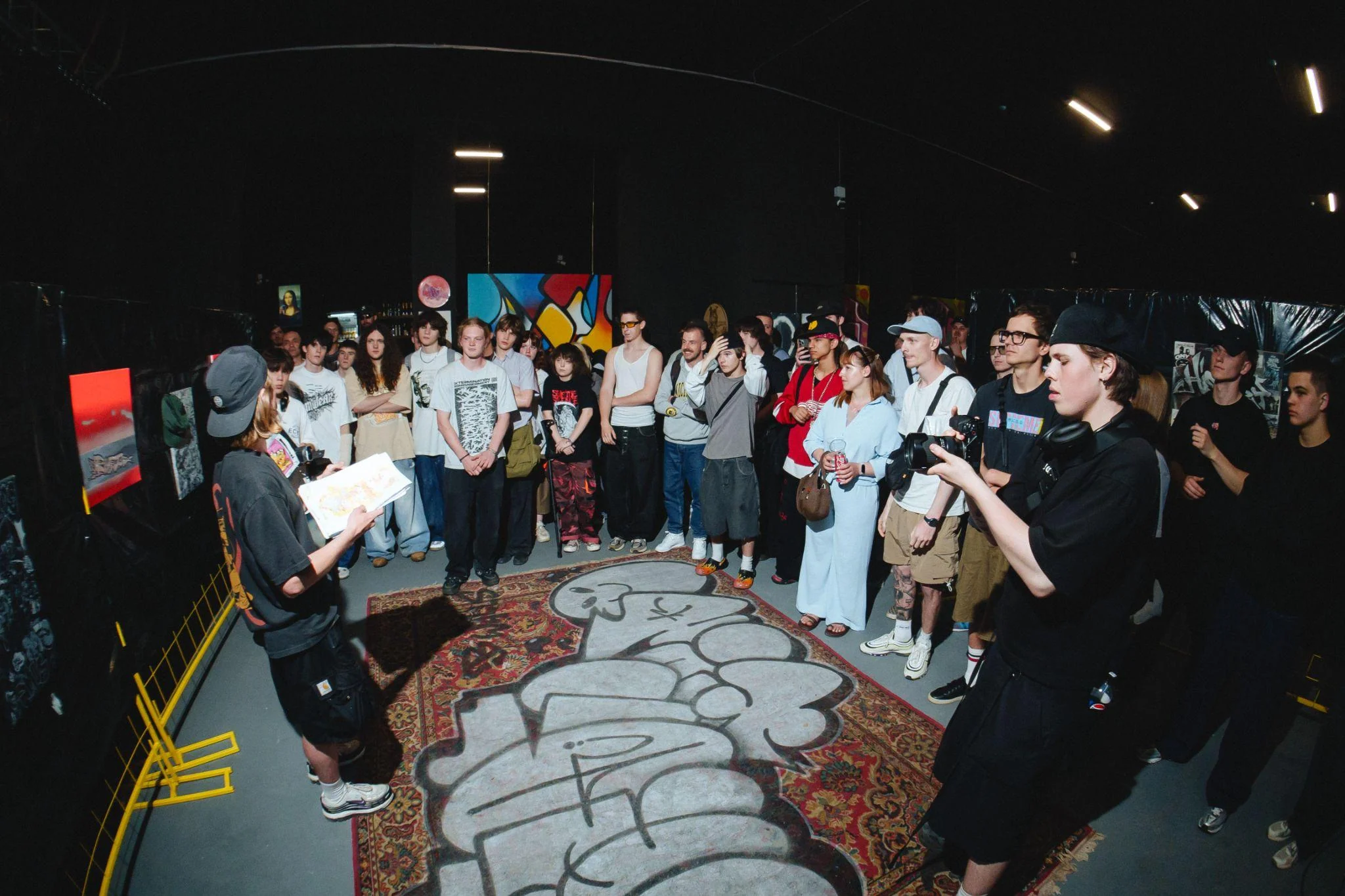
The floor also becomes part of the exhibition.
Floor installations add another artistic level to the space and make visitors look down, rather than only moving along the walls.
As a result, the exhibition begins to work in a 360-degree format.
This is an important difference from a traditional gallery display: the works are not limited to the usual eye level. The artistic environment surrounds the visitor on all sides.
Sketch Battle
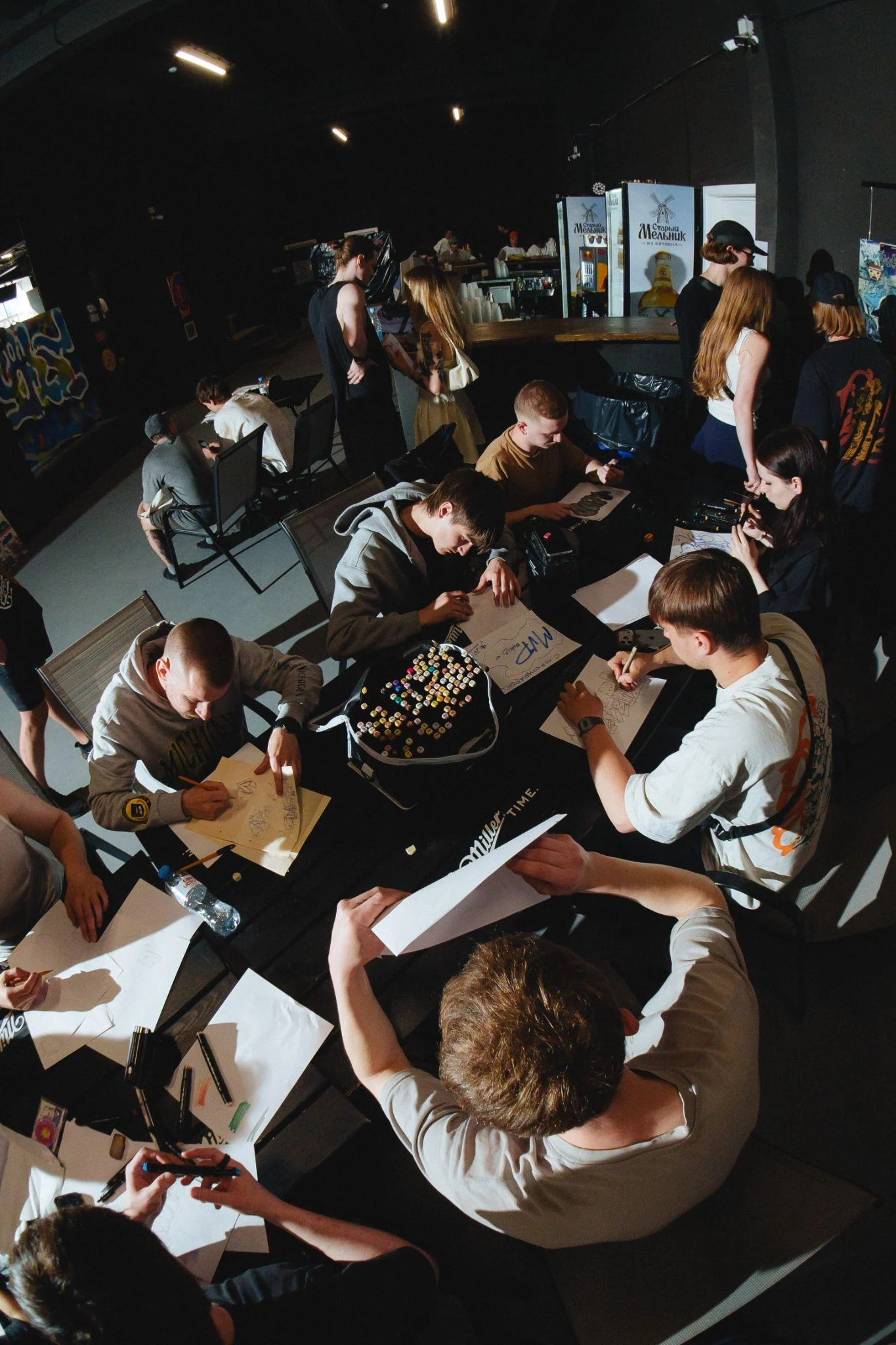
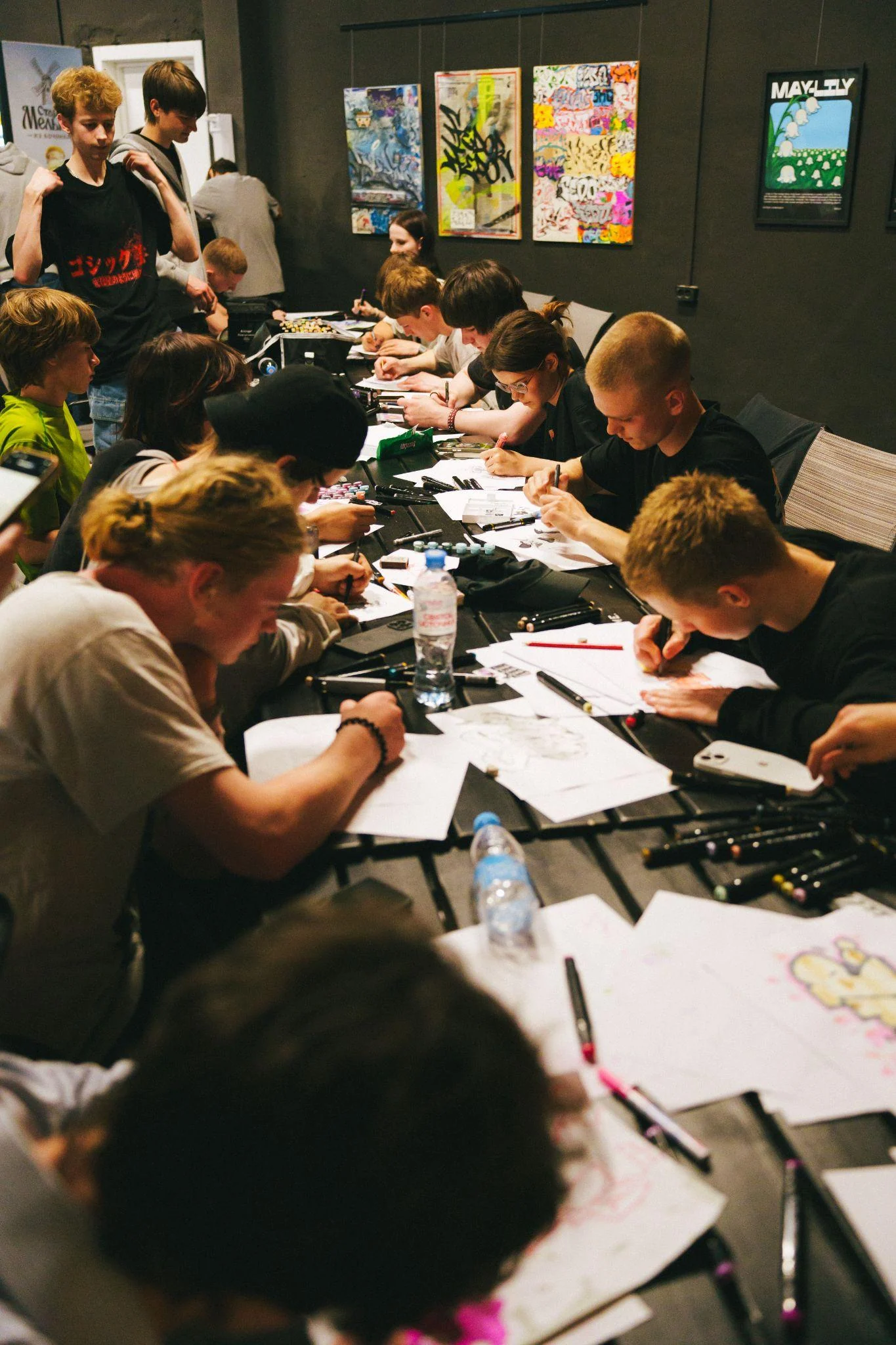
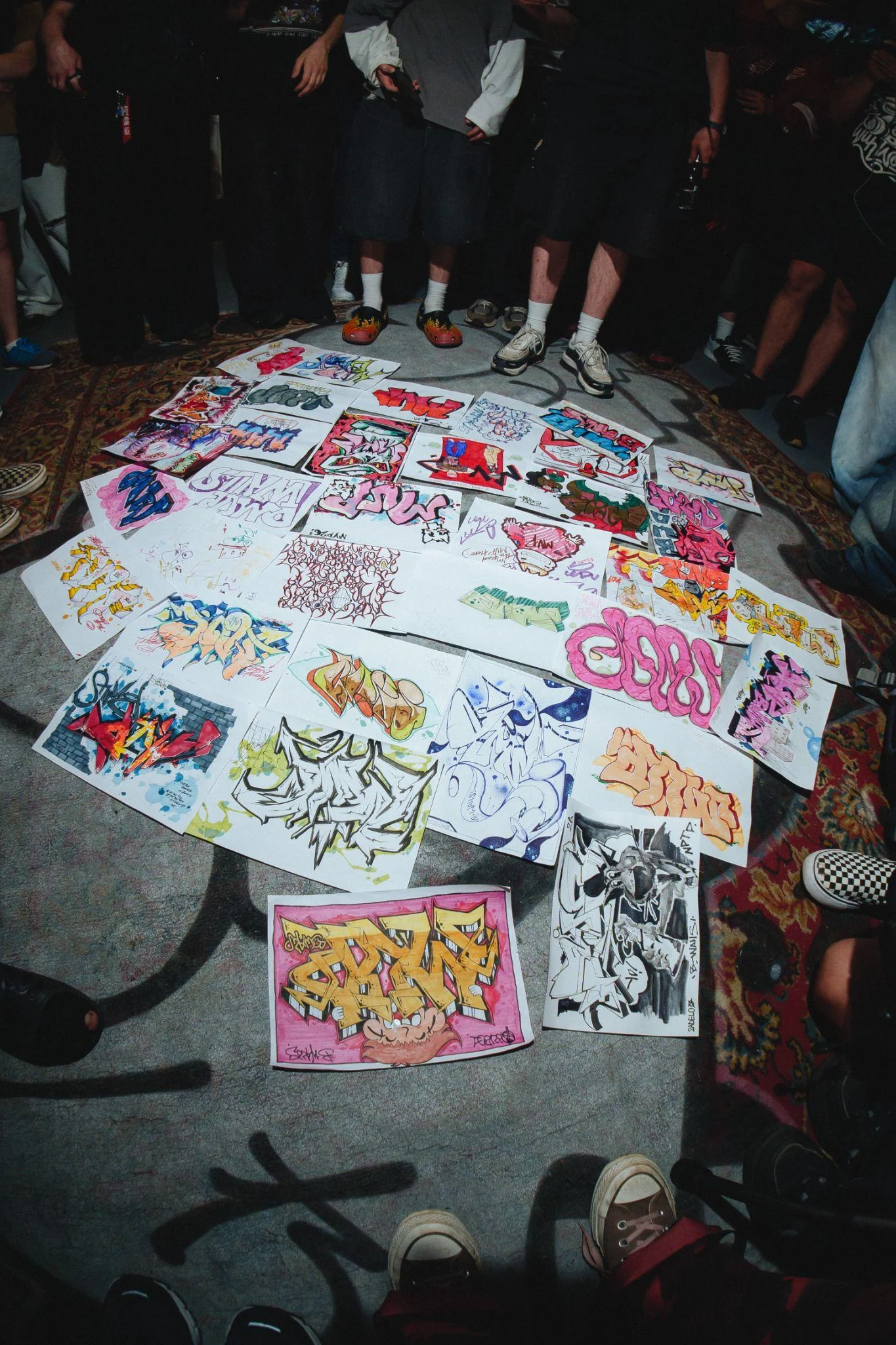
Sketch Battle became a separate part of the programme — a live competition for artists working in A4 format.
In the Sketch Battle format, the process of making becomes part of the event itself.
Viewers can watch the artists directly while they work, while the participants compete for prizes.
In this way, B-Walls goes beyond the format of “seeing an exhibition” and becomes a space where street art is made directly in front of the viewer.
B-Walls at MVP
In June 2026, the exhibition programme moved to the MVP space at 95 Nezavisimosti Avenue.
The June session ran from 19 to 23 June and supplemented the exhibition format with parties, live creation of works, and additional sketch sessions.
For B-Walls, this continues the same idea: the exhibition exists as a meeting place for artists, viewers, and urban street culture.
Music, evening events, live drawing, and artists working in real time create their own community around the exhibition.
Free Admission
Another important feature of B-Walls is that admission to the exhibition is free.
This preserves the project’s open character and attracts not only gallery and contemporary-art audiences, but also people from graffiti communities, street culture, music, and the urban environment.
The exhibition thus becomes an accessible entry point into contemporary Belarusian street art.
What Changed in the Second Season of B-Walls
Where the first B-Walls focused above all on presenting artists and their works, the second season works much more strongly with space itself.
B-Walls 2026 proposes that the gallery be understood as an urban environment.
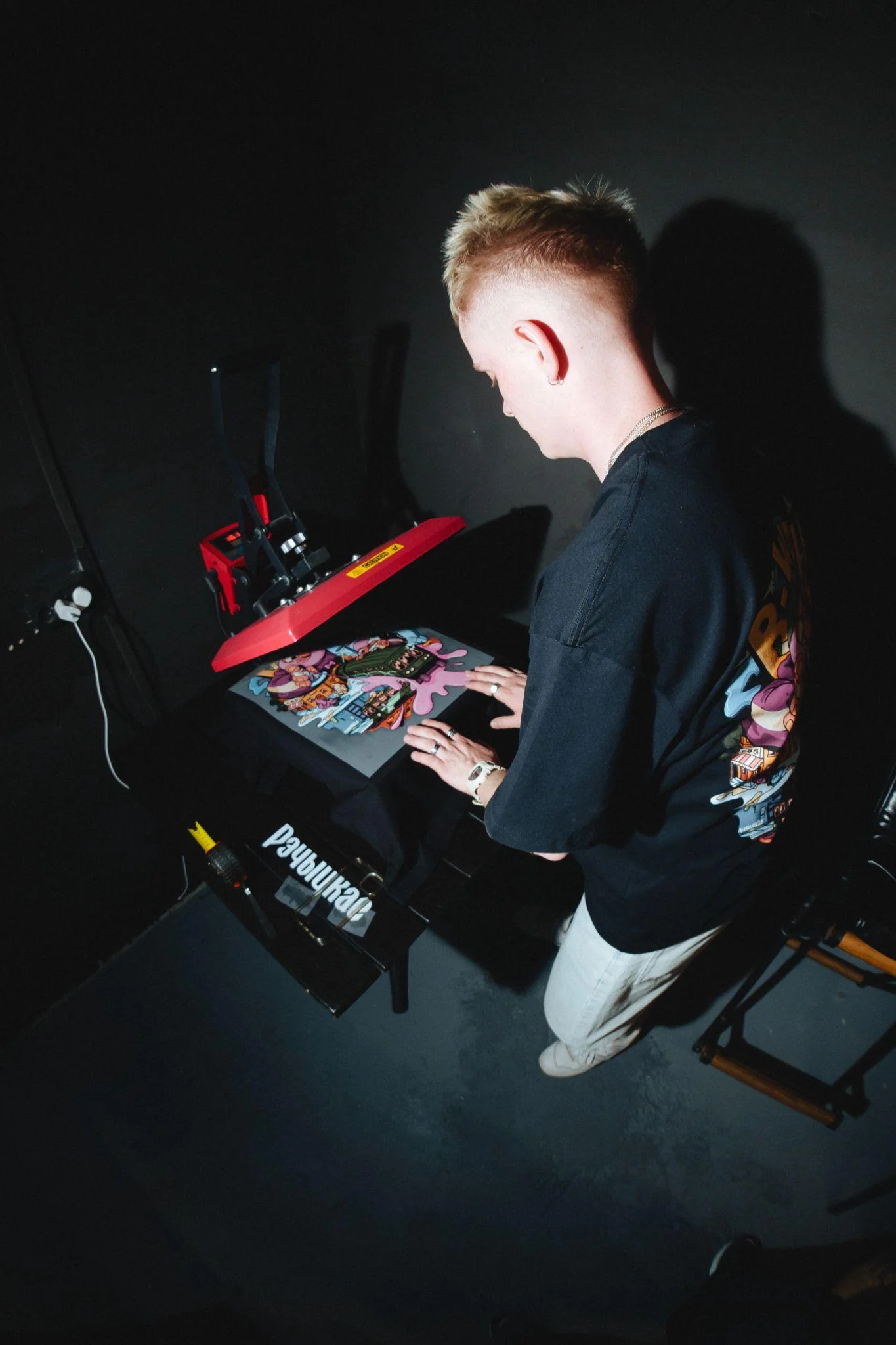
There are large graffiti works, canvases, installations, a metro train, floor treatment, sketch battles, live painting, evening events, and merch.
All of this comes together around one idea: street art can be understood not only as an image on a wall, but as a cultural direction.
Published by Street Walls Gallery